01 · Inbound enrichment
Qualify inbound the second it lands
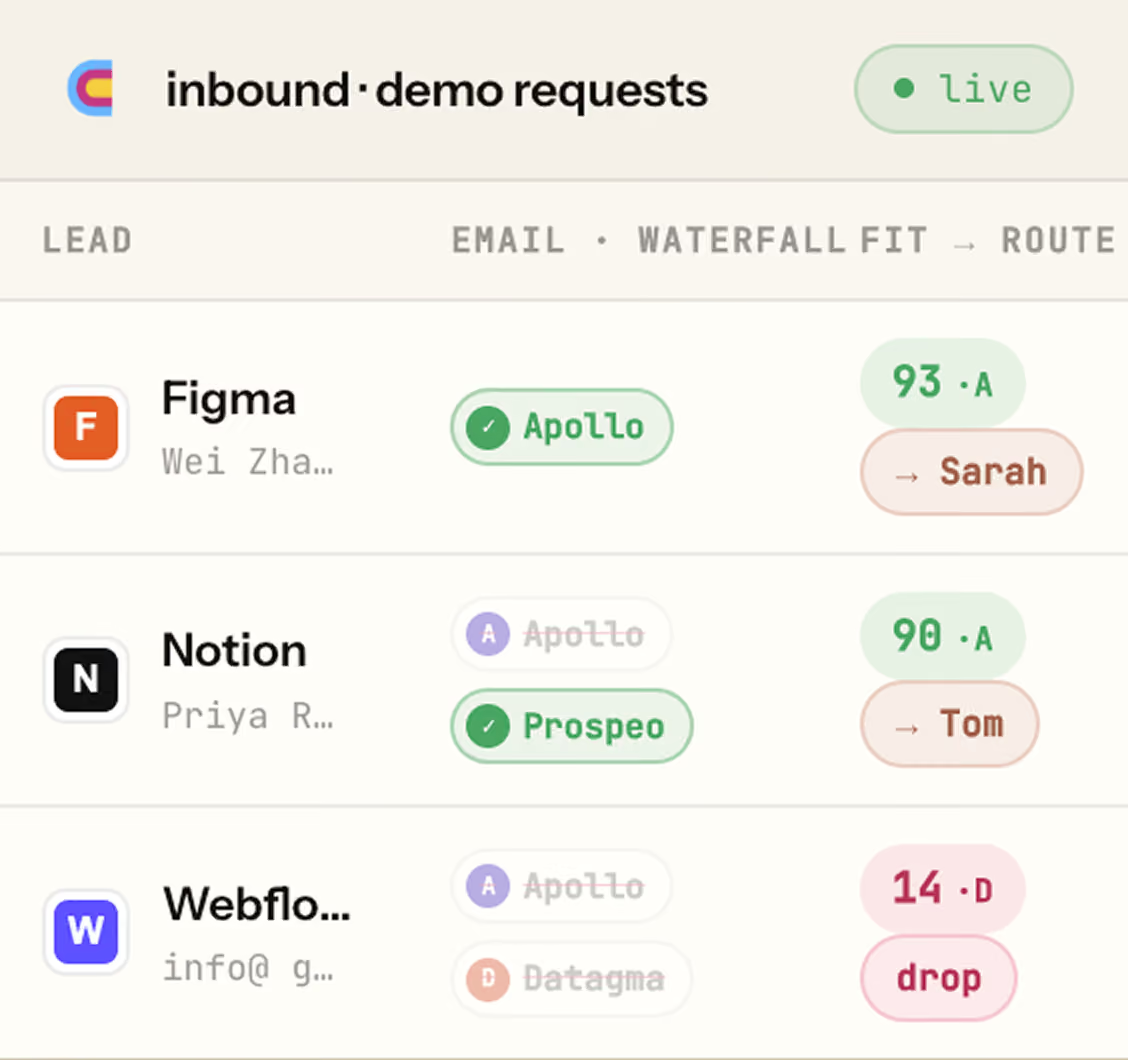
Enrich every form fill and demo request the moment it arrives, then route the good ones to a rep before they go cold.
↗ 40% → 80% inbound coverage
This is a live Clay table auto-running an enrichment finding each business's location, Google reviews and rating, row by row, until the whole table is complete.
These are the motions Clay's best teams run recreated and tuned to your stack. Each one is a pipeline we design end-to-end: where the data comes from, how it's enriched and researched, and where it lands.
Enrich every form fill and demo request the moment it arrives, then route the good ones to a rep before they go cold.
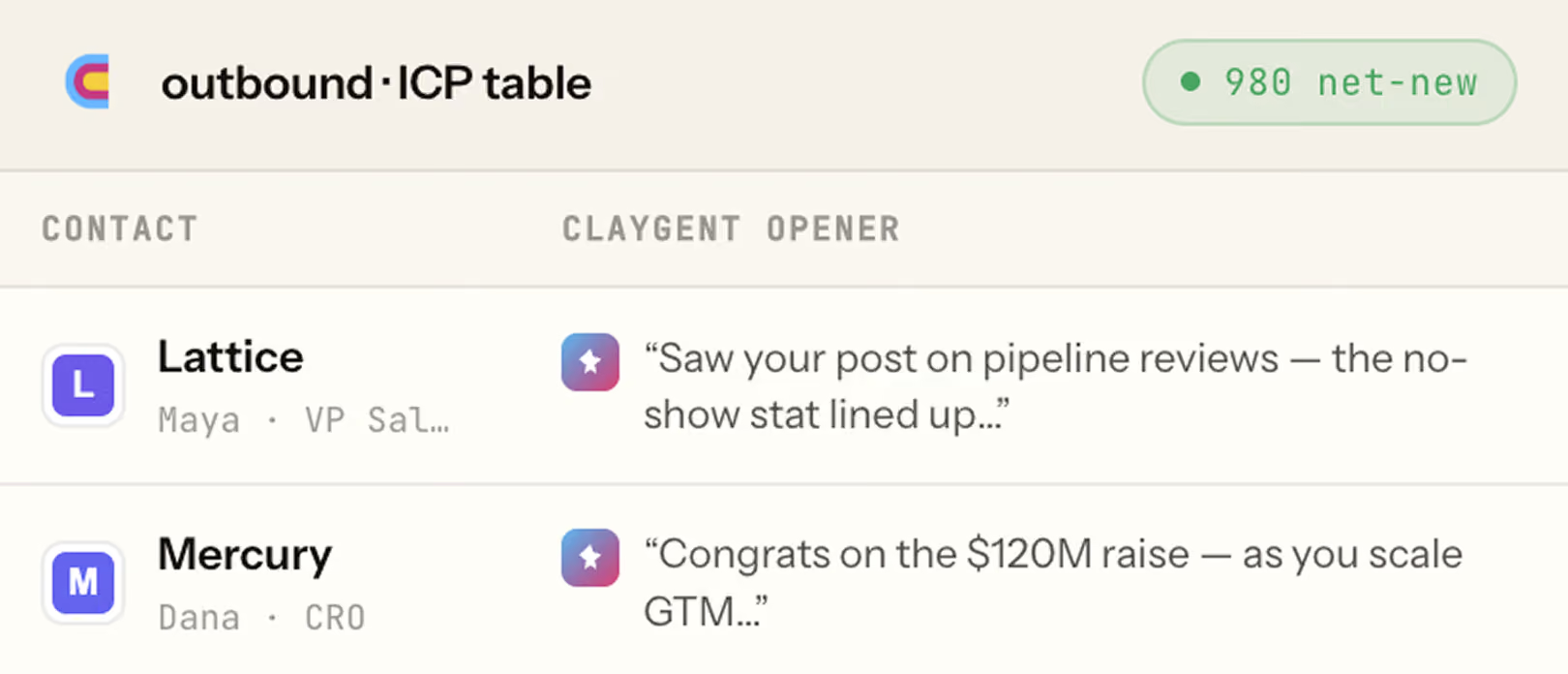
Turn your ICP into a living, deduped account list — enriched and personalised, ready for your sequencer.
Dedupe, backfill and re-verify every record automatically.

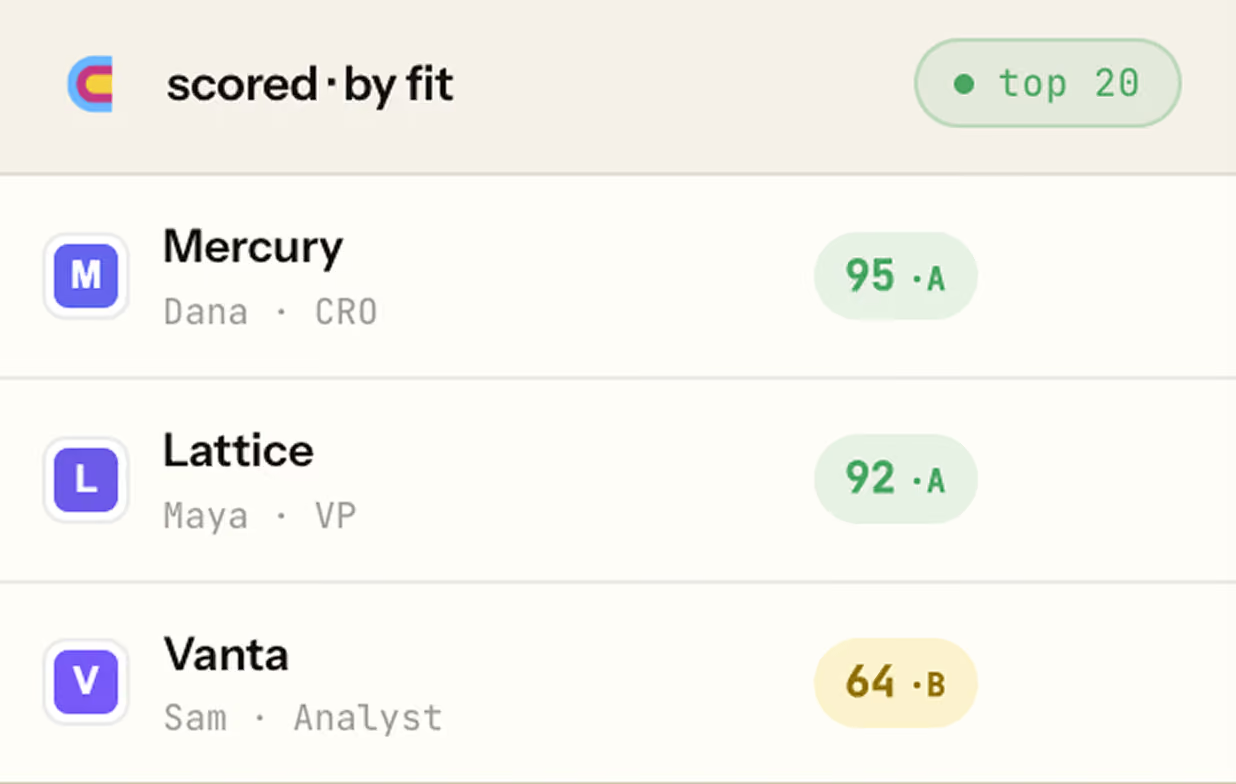
Score every lead on your ICP rubric and route in seconds.
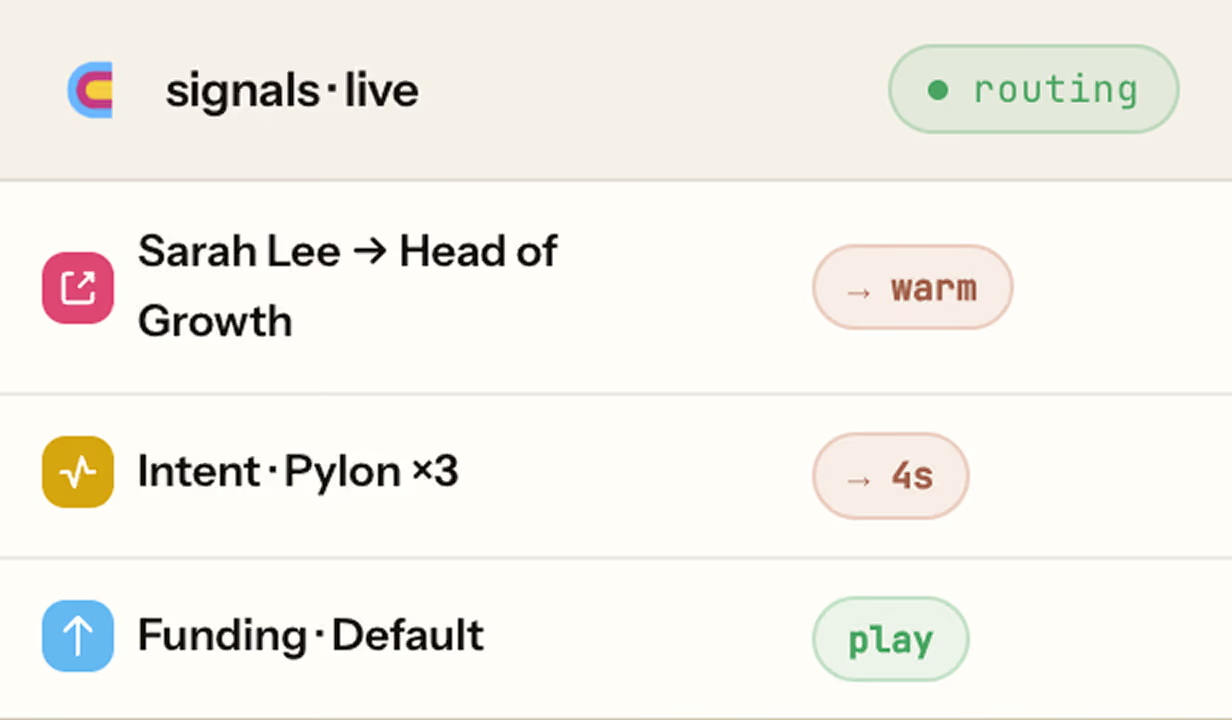
Catch job changes and intent the instant they fire.
Point Claygent at any account and it reads the open web — sites, news, filings — to return the exact custom data points your motion needs, across thousands of rows.
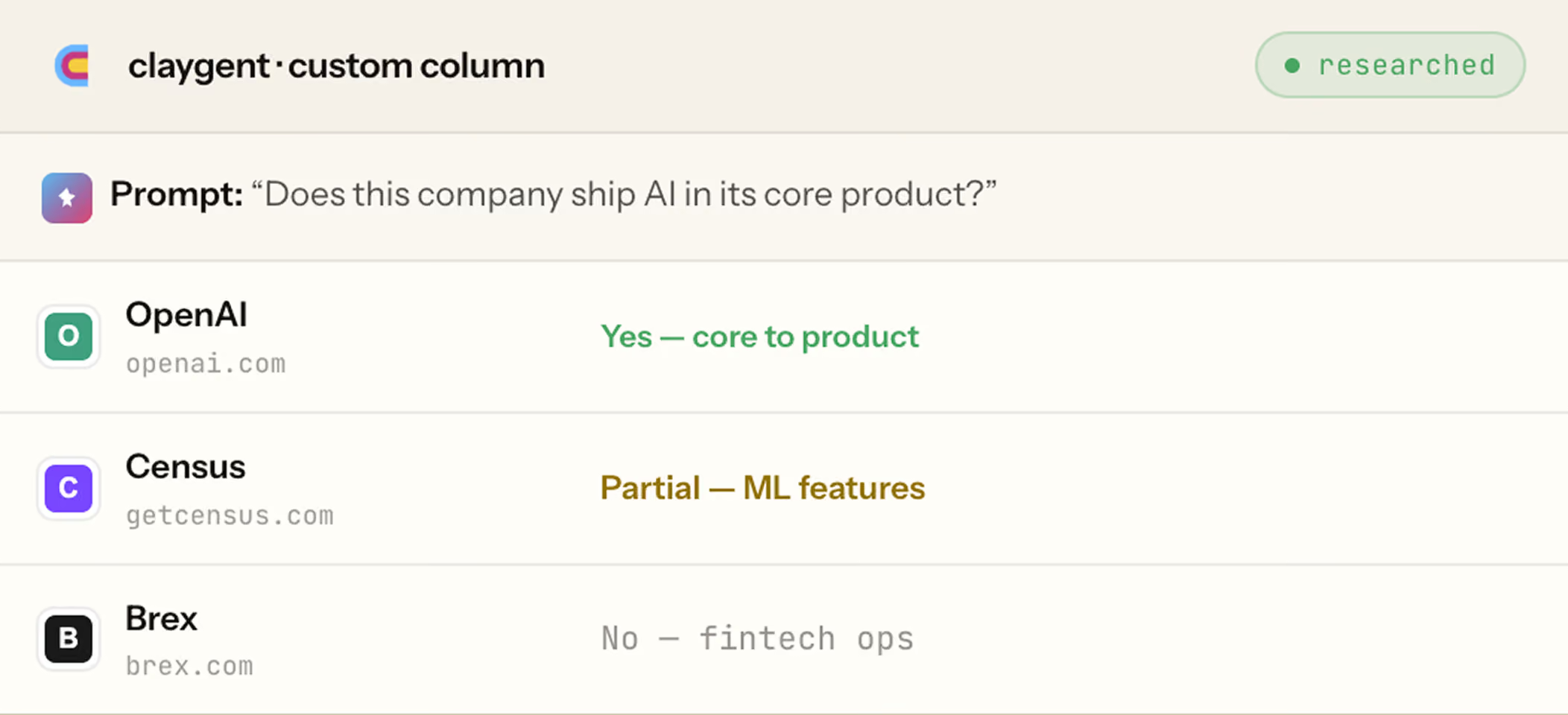
Most teams juggle a separate contract, login and CSV export for every data provider and still miss half their market. Clay collapses them into one waterfall behind a single table.
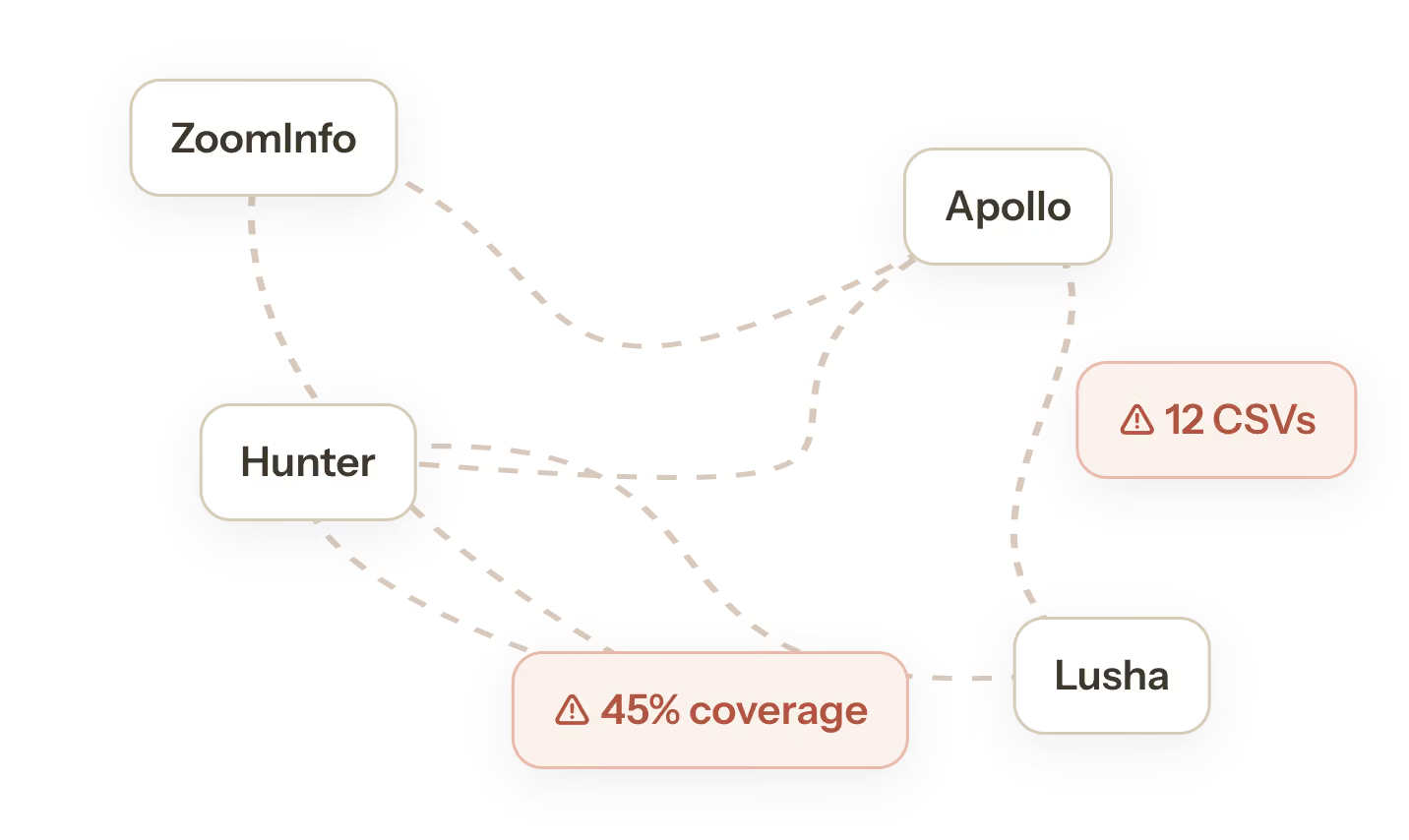
A separate bill and export for every provider — and you still inherit each one's blind spots. Half your market stays invisible, and data decays ~2% a month.
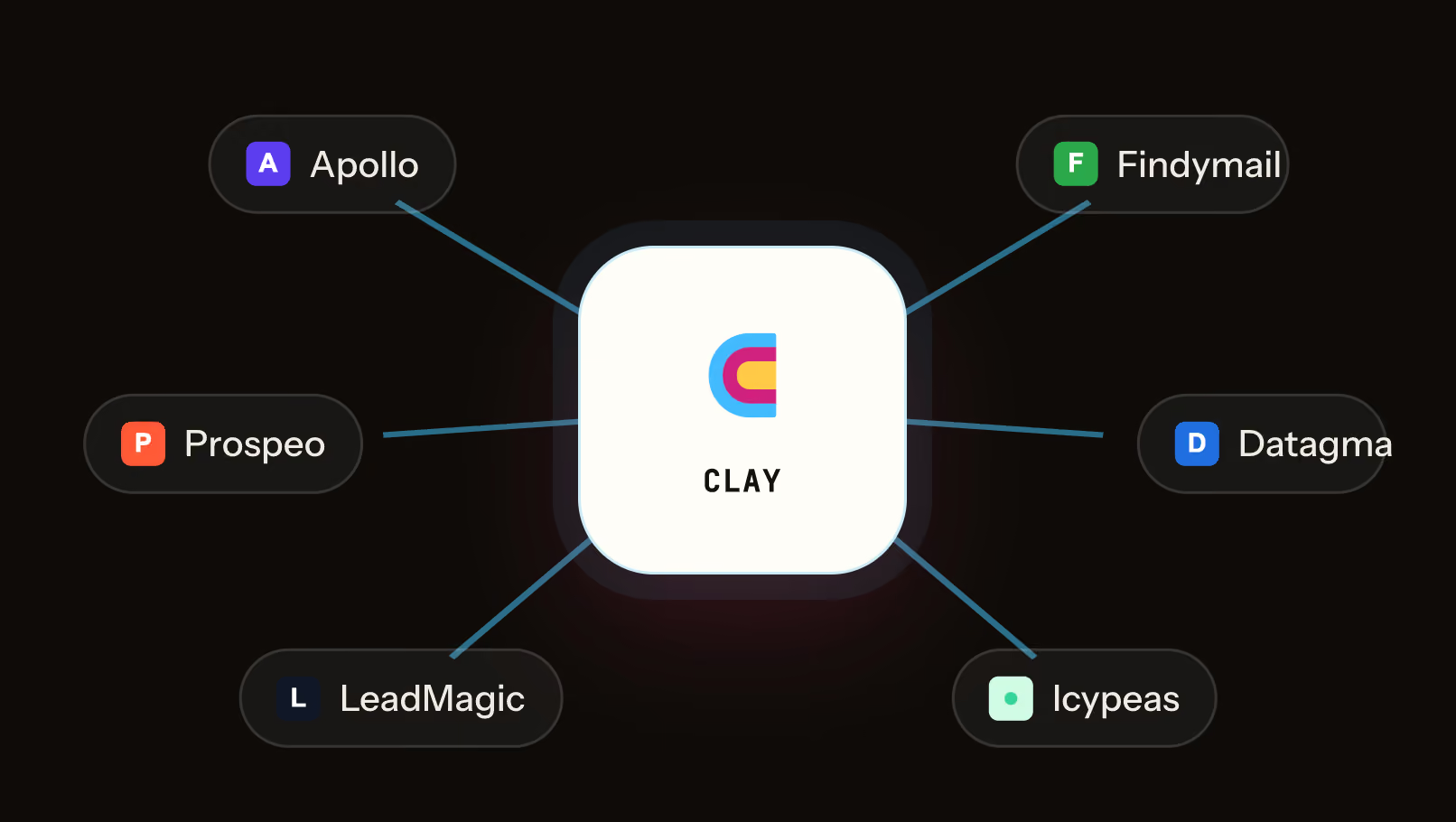
150+ providers behind one bill, queried in sequence until a verified match is found. One table, one waterfall — and the blind spots disappear.
Get a GTM engine that wires intent, enrichment, AI outreach, and revenue ops into one connected system — designed for your ICP, deployed in 30 days.
Clay is incredibly powerful, but that power is in the build. The approachable spreadsheet becomes a maze of conditional logic, provider settings and credit math fast and a badly built table quietly burns budget. We design the tables, sequence the waterfall, write the Claygent prompts and wire the CRM sync, then hand it over documented. You get the coverage without spending a quarter learning the platform.
Any single provider only covers part of your market, typically 40–60% of emails and you inherit their blind spots. Clay queries providers in a waterfall: if Apollo misses, Findymail tries, then Prospeo, then Datagma. Chaining 3–5 sources routinely hits 85–95% coverage, all through one bill, and lets you spend premium credits only on the accounts that matter.
Yes, Clay syncs enriched, scored records into HubSpot, Salesforce or Attio. But we set the rules: field mappings, dedupe logic and write-back conditions are defined up front, low-confidence data is held back, and bounced emails are suppressed rather than pushed. You decide what syncs automatically and what waits for review.
They can, if workflows aren't built deliberately. The cost lives in how the waterfall is ordered and gated: cheap providers first, premium sources only when they miss, and conditional logic so you never enrich a row that won't be worked. Optimising that sequence is exactly what we do, and it's usually where teams running Clay solo are over-spending by a wide margin.
Days 1–3: we build your first table, ICP filters and a 3–5 provider waterfall.
Days 4–7: Claygent research, scoring and CRM sync go live on a real list.
Within ~7 days you typically have a working Clay workspace producing enriched, scored accounts, then we layer on inbound routing, hygiene and signals from there.
Clay is the data layer the rest of the system runs on. It feeds verified, scored accounts into the campaigns we build in Outbound Automation, and keeps the CRM from our AI RevOps work clean over time. Already have solid ops and just need better data? Start here. CRM still messy? We'll often sequence RevOps alongside so Clay has a clean destination to sync into.
Two weeks from contract to first send. Week 1 covers ICP alignment, account mapping, messaging, tool setup, and infrastructure provisioning. Week 2 is domain warmup, sequence build, list load, and first send.
End of month 2 is when reply rates and meetings find their rhythm. Month 3 is when we know what's working, kill what isn't, and double down.
Fixed monthly retainer, starting at $2,500/month and scaling with scope. Most engagements land between $2,500 and $6,000/month depending on email volume, channel mix, geos, and whether CRM/RevOps work is included.
We don't do pure outcome-based pricing because infrastructure, list building, and messaging cost the same regardless of meetings booked, and outcome-only models tend to push agencies toward shortcuts that wreck your domain. We do stand behind the outcomes we forecast in the proposal; it's just not the billing mechanism.
Let's design your first waterfall-enriched table together.
Speak with Founders